
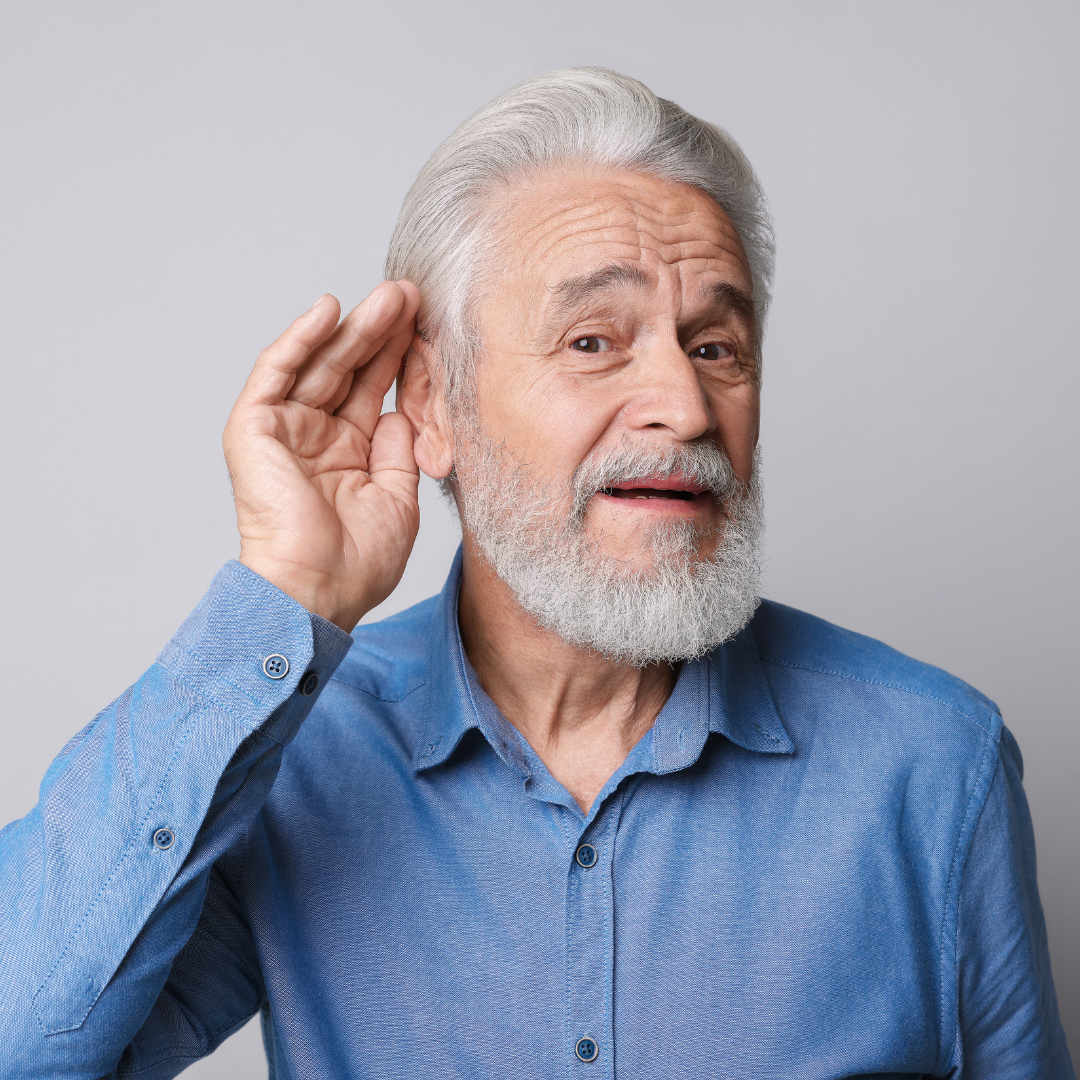
The sudden loss of auditory sensitivity in one ear is frightening and frequently leaves patients unsure of how to seek care. Our audiology clinic offers prompt diagnostic hearing testing and coordinates emergency medical evaluations whenever sudden hearing changes develop. Rapid-onset sudden hearing loss mandates swift clinical attention from an audiologist or physician to explore prompt treatment or auditory rehabilitation.
Is Sudden Deafness in One Ear Considered a Medical Emergency?
Yes, without question. Experiencing sudden hearing loss on one side constitutes a clinical emergency, especially when the drop happens over hours or a couple of days. Known medically as sudden sensorineural hearing loss or sudden deafness, this emergency involves the sensory labyrinth or central auditory neural pathways. Because it rarely causes localized otalgia, individuals frequently misinterpret the sudden loss as middle-ear congestion or a cerumen plug.
Typical warning signs include:
- A sudden decline in unilateral sound perception or vocal intelligibility
- An inability to clearly understand phone calls when listening with the involved ear
- Sensation of an internal ear pop or mounting aural pressure right before hearing diminishes
- Newly acquired tinnitus presenting as high-pitched ringing, clicking, or roaring in that ear
- Concomitant dizziness, spatial disorientation, or true spinning sensations
Refrain from waiting for spontaneous recovery to restore your hearing acuity. Contact our audiology practice, an emergency department, or an ear, nose, and throat physician for immediate same-day direction.
The Critical Importance of Immediate Medical Care for Sudden Hearing Loss
Early evaluation matters because treatment for sudden sensorineural hearing loss is generally most useful when it begins promptly. We first differentiate whether the condition represents a conductive loss from cerumen or fluid, or a true sensorineural loss involving the inner ear or vestibulocochlear nerve. These two forms of hearing loss mimic each other subjectively, yet they necessitate completely different medical treatments.
Otoscopic examination and full-battery diagnostic hearing testing determine the specific classification, audiogram pattern, and severity of the hearing loss.
Go to an emergency medical facility immediately if sudden hearing loss presents in conjunction with:
- Facial drooping, weakness, or numbness
- Trouble speaking, confusion, or a severe new headache
- Bilateral double vision, syncopal collapse, or an inability to maintain normal walking gait
- Sharp chest discomfort or related symptoms of acute cardiovascular distress
Such presenting symptoms frequently indicate a major cerebrovascular or neurological emergency that demands immediate emergency room evaluation.
Clinical Causes and Mechanisms Behind Sudden Hearing Loss
In most cases of sudden sensorineural hearing loss, no definite cause is found. In cases where an etiology is successfully uncovered, it frequently involves localized inflammation, physical trauma, microvascular compromise, autoimmune pathology, or auditory nerve disorders.
Recognized pathological triggers include:
- Viral or bacterial infections
- Head trauma or exposure to an intense sound
- Autoimmune inner ear disease or systemic inflammatory disorders
- Prescription drug ototoxicity impacting the auditory receptor cells
- Localized microvascular occlusions or compromised blood circulation
- Structural inner ear diseases, notably symptomatic Ménière’s disease
- Neurodegenerative or demyelinating disorders such as multiple sclerosis
- A benign retrocochlear growth, such as an acoustic neuroma on the auditory nerve
Since patient symptoms alone cannot isolate the precise pathophysiological cause, immediate physical exam and audiologic testing are essential.
How Can Sudden Sensorineural Hearing Loss Be Treated?
Corticosteroids are widely prescribed as the cornerstone medical treatment for idiopathic sudden sensorineural hearing loss. The treatment can be administered systemically via oral tablets or delivered locally through the tympanic membrane to reach inner ear structures directly. Therapeutic recommendations are established by our clinical providers, incorporating symptom onset timeframes, audiometric thresholds, underlying systemic health, and adverse effect profiles.
Steroids are typically administered within the first two weeks of onset, making it critical to begin medication as early as medically appropriate. When initial recovery is insufficient, physicians frequently recommend intratympanic steroid injections as a targeted salvage intervention. Under appropriate circumstances, an ENT specialist might suggest adjunct hyperbaric oxygen therapy paired with clinical steroid treatments.
Can Sudden Unilateral Hearing Loss Resolve Spontaneously?
Sudden sensorineural hearing loss can improve without treatment. Approximately fifty percent of affected patients see some or all of their hearing return on its own, usually within one to two weeks of onset. Yet, no reliable clinical markers exist at presentation to identify who will recover, how much hearing will be restored, or if recovery will remain stable.
Anticipating spontaneous recovery is not a justifiable clinical rationale for postponing prompt care. Treatment becomes less likely to reverse permanent loss when it starts weeks after the change, so waiting may close an important treatment window. Recovery may be complete, partial, or minimal.
Rehabilitation Options for Treatment-Resistant Sudden Hearing Loss
If hearing does not fully recover, the next step depends on how much hearing remains, how well the affected ear understands speech, and whether an underlying cause has been ruled out. Our clinicians frequently recommend diagnostic MRI imaging or specialized auditory brainstem response testing to evaluate the hearing nerve and surrounding anatomy.
Comprehensive long-term auditory solutions encompass:
- Custom programming of a traditional hearing aid when the ear maintains usable acoustic thresholds
- A wireless CROS system that captures incoming sound on the impaired side and transfers it to the better-hearing ear
- A surgical or non-surgical bone-conduction device for medically appropriate clinical candidates
- Cochlear implantation designed to restore binaural hearing in qualifying cases of single-sided deafness
- Specialized assistive listening devices (ALDs) to support communication during professional, educational, or social demands
Engaging in audiologic rehabilitation can alleviate severe listening fatigue, train sound localization, and resolve ongoing communication challenges. Choosing the best rehabilitative device hinges upon clinical hearing test scores, communication environments, medical background, and individual preferences.
Schedule an Urgent Hearing Assessment
If you experienced a sudden drop in hearing today or within recent days, seek same-day clinical intervention instead of waiting for a standard checkup. We can perform diagnostic hearing testing, compare both ears, review when the change began, and coordinate with an ear, nose, and throat physician or another medical provider when necessary.
Call or message our practice immediately to secure a prompt hearing appointment.