
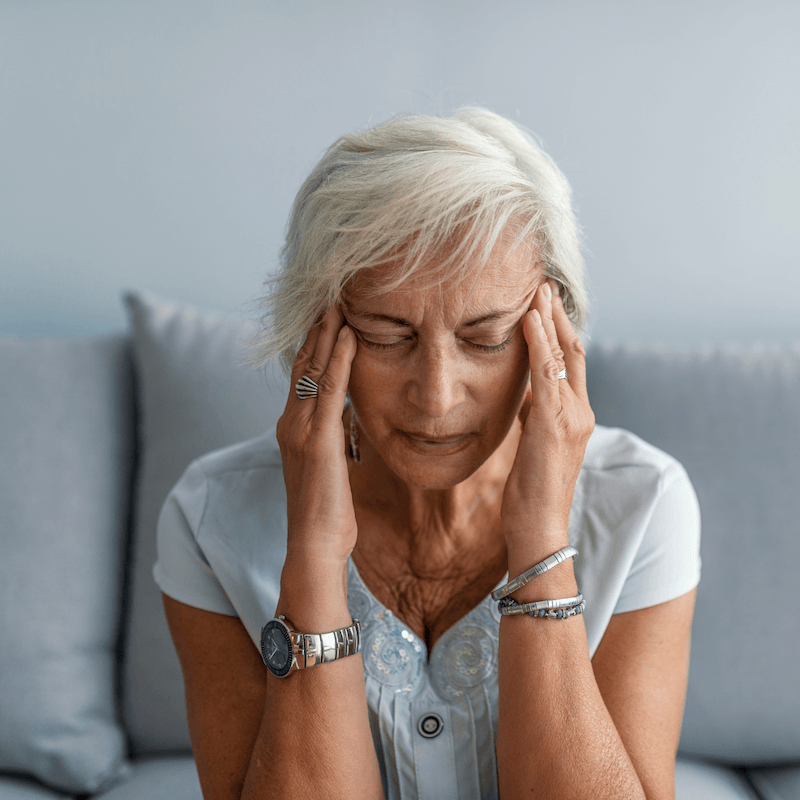
Not all migraine episodes involve throbbing head pain, as a vestibular migraine primarily compromises balance, motion sensitivity, and spatial stability. Our clinical team conducts comprehensive evaluations for chronic dizziness to establish whether vestibular migraine or another balance condition is present. Establishing appropriate migraine treatment depends on recognizing presenting symptoms and communicating these patterns to your healthcare team.
Differentiating Vestibular Migraine From Classic Migraine Attacks
While vestibular migraine and conventional migraine share an underlying neurovascular origin, their predominant clinical presentations diverge. A classic migraine episode characteristically features moderate to intense cephalalgia that is unilateral, throbbing, and worsened by routine physical movement. Concurrent symptoms routinely include autonomic nausea, photophobia, phonophobia, and transient focal neurological aura.
A vestibular migraine primarily manifests as true vertigo, disequilibrium, balance dysfunction, and severe motion sensitivity. Headache may occur, but it is not required during every vestibular episode. Clinical episodes frequently provoke an illusion of environmental rotation, motion-provoked unsteadiness, and visual distress in high-stimulus settings.
Diagnostic criteria specify that qualifying vestibular episodes typically span between five minutes and 72 hours. Symptoms often vary in nature and intensity between separate attacks, obscuring the relationship to migraine compared to straightforward headaches.
What Disorders Cause Vestibular Migraines?
No single disorder is known to cause vestibular migraine. The disorder likely develops from overlapping neurochemical pathways handling both trigeminal pain and inner ear balance signals. A confirmed personal or genetic history of migraines and a lifetime of motion intolerance can predispose individuals to the condition.
Primary environmental and lifestyle triggers include:
- Disrupted sleep architecture or chronic sleep deprivation
- Delayed food intake, prolonged fasting, or inadequate hydration
- Severe emotional stress or the physical transition period immediately following chronic stress
- Menstrual or other hormonal changes
- Harsh glare, strobe lighting, or visually overwhelming public spaces
- Prolonged travel, turbulent physical motion, or rapid digital screen scrolling
- Consumption of alcoholic drinks, caffeine withdrawal, or individualized food sensitivities
- Barometric pressure shifts, rapid weather transitions, or multisensory overload
What Are the Symptoms of Vestibular vs. Regular Migraines?
Typical migraine attacks are often recognized by headache, but migraine symptoms extend beyond pain. Associated symptoms can include gastrointestinal distress, vomiting, visual aura, systemic exhaustion, brain fog, neck pain, and hyperacusis or photophobia.
A vestibular migraine attack can present with:
- Sensations of rotational spinning or non-spinning spatial disorientation
- Persistent postural unsteadiness, gait instability, or loss of balance
- Cervicogenic or vestibular dizziness exacerbated by head motion
- Nausea and malaise during standard locomotion or vehicular travel
- Visual-vestibular mismatch when navigating crowded shopping aisles, moving traffic, or patterned visual fields
- Illusory sensations of bobbing, swaying, boat-like rocking, floating, or directional pulling
- Heightened photophobia, phonophobia, or generalized visual sensitivity
- Sensation of intense cranial pressure, sinus heaviness, or classic throbbing migraine pain
- Reversible ear fullness, localized acoustic pressure, or ringing in the ears
Clinical chronicity, attack longevity, and identifiable triggers assist in separating vestibular migraine from alternative vestibular diseases. Acute vertigo presenting with unilateral weakness, numbness, speech deficits, diplopia, fainting, or severe loss of ambulation requires urgent medical intervention.
Can a Vestibular and Regular Migraine Happen at the Same Time?
Yes, they can. Vertigo and classical migraine headaches frequently coincide during the same physiological episode. The dizziness may begin before the head pain, develop while the headache is active, continue afterward, or appear during a separate episode. Many individuals alternate between headache-dominant and balance-dominant presentations over months or decades.
An acute vestibular event can be fully driven by migraine mechanisms even in the complete absence of head pain. Recording daily symptoms in a log can uncover clinical links and triggers that are difficult to recall in retrospect. Record the timing and duration of dizziness, headache features, sensory sensitivity, menstrual cycle, sleep, meals, possible triggers, medications, and response to treatment. Providing this detailed history ensures that your audiological and ENT assessment remains highly accurate.
Diagnostic Workup and Clinical Criteria for Vestibular Migraines
No standalone blood test, neuroimaging scan, or specialized vestibular test can independently prove vestibular migraine. Clinical assessment begins with a meticulous clinical history exploring episode traits and personal migraine patterns with or without aura. Current neurological criteria require a minimum of five moderate or severe vestibular episodes lasting five minutes to 72 hours, with migraine features documented in at least 50% of cases.
We execute an exhaustive diagnostic series involving neurological testing, videonystagmography, direct ear examination, hearing testing, and balance assessments. Depending on the symptoms, testing may include an audiogram, positional testing, vestibular studies, or imaging. These objective studies serve to detect or systematically exclude competing disorders that provoke identical dizzy spells. A definitive diagnosis of vestibular migraine is rendered only when your clinical pattern fits established criteria and another diagnosis is definitively excluded.
Treatment Strategies: Managing Vestibular Migraines Effectively
Care plans are individualized to match your specific attack frequency, symptom severity, comorbid headaches, general medical background, and medication tolerances. Most individuals find the greatest relief through an integrated regimen combining daily preventive protocols with an acute rescue plan.
Our clinical providers outline a personalized therapeutic plan comprising:
- Implementing disciplined daily habits including consistent sleep schedules, regular nutrition, hydration, and exercise
- Identification and reduction of consistent personal triggers
- Utilizing structured stress-mitigation techniques, mindfulness programs, or behavioral therapies
- Implementing appropriate antiemetic prescriptions to alleviate severe nausea during attacks
- Measured, temporary use of vestibular suppressant pharmaceuticals during severe vertigo crises
- Daily preventive medications such as beta-blockers, calcium channel blockers, topiramate, specific antidepressants, or novel migraine drugs
- Specialized vestibular rehabilitation therapy (VRT) to resolve chronic motion hypersensitivity and balance deficits
Clinicians recommend using vestibular suppressants sparingly because chronic usage causes fatigue and prevents the central nervous system from adapting to balance signals. All prescription decisions must be established alongside our clinical team rather than borrowed from someone else’s treatment protocol. Achieving optimal symptom control typically demands careful dose titration and continuous symptom tracking over time.
Book Your Vestibular Migraine Consultation
If recurring dizzy spells, motion sensitivity, or balance deficits disrupt your daily comfort, contact our practice to schedule a comprehensive evaluation. Your comprehensive consultation entails a thorough evaluation of migraine history, medical background, and individual goals, using targeted diagnostics to isolate vestibular migraine from BPPV, Ménière’s disease, or other vestibular etiologies. Contact our ENT clinic today to schedule your vestibular migraine appointment.